Authenticity Is Just Kodak Portra Now
Brands have figured out the look of authenticity. It triggers the same emotional response as the real thing. And it costs just a fraction.
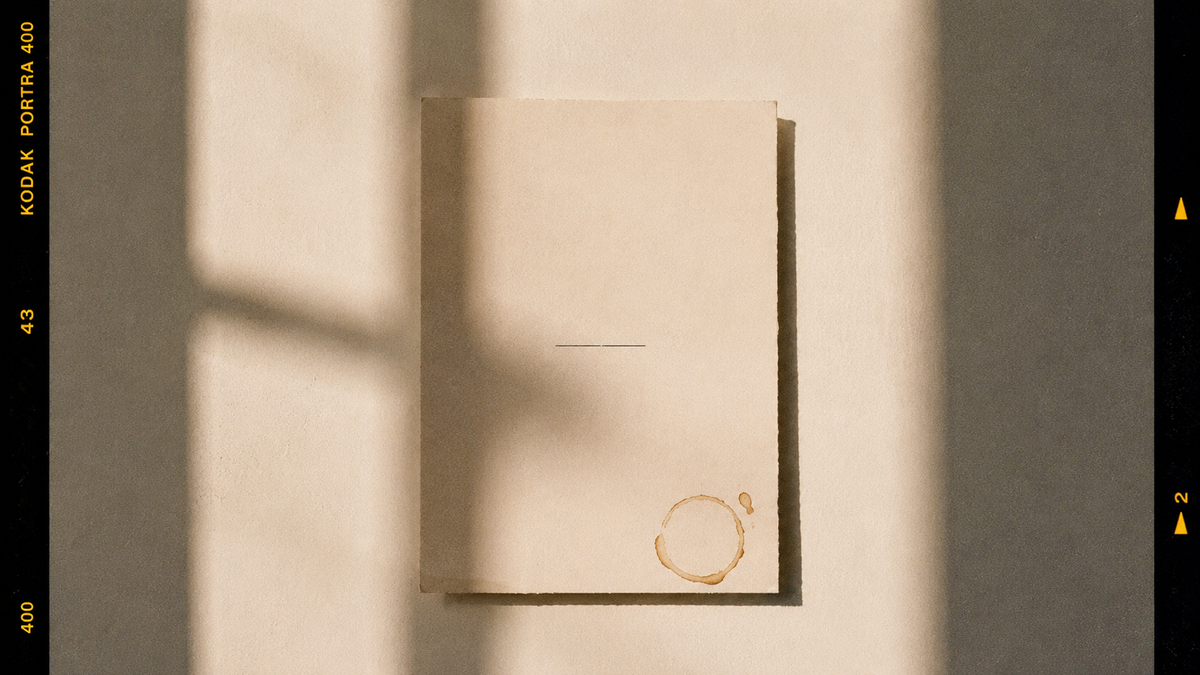
Every brand in the world, old and new, wants to be authentic in its content. I'm going out on a limb to declare that most of them either don’t have the slightest idea of what authenticity means, or they just don’t give a flying fuck. Because it’s easy and fast. And the metrics can prove it.
The same warm, grainy images of seemingly unposed models with soft skin tones pretending not to notice the camera, the same handheld B-roll graded to look like someone shot it on a Rollei 35T they found in their grandfather’s closet, with a deep male voiceover set to a slow jazzy 80s saxophone loop. Those "a day in the life of an office employee" reels make me want to throw my phone out the window. The "we care" stickers on the walls of the shopping mall toilets? Cringey.
Authenticity is more than a film stock. It used to represent the brand’s promise and values. Now, it has lost its meaning. And I am sick of it.
Brands have figured out the look of authenticity. It triggers the same emotional response as the real thing. And it costs just a fraction. Why would you build trust from the ground up when you can just use the Portra 400 look, then pull a quote from a customer who was paid to say positive things about their experience?
It’s not because audiences are dense. It’s because we have given up expecting anything worth watching. We’ve collectively, unconsciously lowered the bar. We nod along and pretend that this is how things are now.
The cycle continues.